

acid etched toughened glass
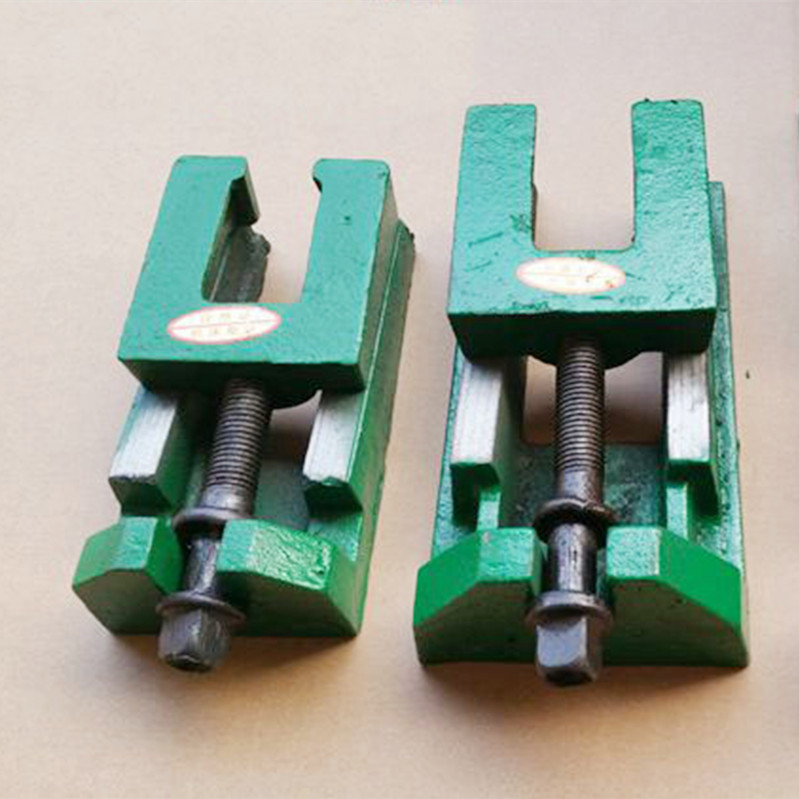
The Significance of Pad Iron in Modern Construction and Design In the realm of construction and design, materials play a pivotal role in determining both the structural integrity and aesthetic appeal of a project. Among these materials, pad iron has emerged as a significant element used in various applications. Traditionally, pad iron refers to a flat piece of iron or steel plate that is employed to distribute weight or pressure over a wider area. Its versatility and strength make it an essential component in both historical and contemporary building practices. The origins of pad iron can be traced back to ancient civilizations, where metalworking techniques were developed to improve structural stability. Initial uses of pad iron were primarily for reinforcing wooden structures, bridging gaps, or providing additional support to key components. Through the ages, as construction techniques evolved, so too did the applications of pad iron. Today, it is commonly found in a wide variety of constructions, from residential buildings to large-scale industrial projects. One of the most critical functions of pad iron is its ability to distribute weight effectively. In engineering terms, this is known as load distribution. When heavy materials or machinery are placed on a surface, the pressure can cause stress points that may lead to structural failure. Pad iron helps mitigate this risk by spreading the weight across a larger area, thereby reducing the likelihood of damage. This function is particularly vital in settings like bridge construction, where the integrity of the entire structure depends on the even distribution of weight. In addition to its structural advantages, pad iron also serves an important aesthetic function. In modern architecture, the exposure of raw materials such as iron and steel has become a popular design choice. Many architects integrate pad iron into their projects to create an industrial look, blending old-world materials with contemporary design elements . This trend not only celebrates the material’s historical significance but also showcases its robustness and practicality. pad iron Furthermore, pad iron has found applications beyond basic construction. In the realm of art and sculpture, artists have begun to utilize pad iron in their works to achieve unique structural and visual effects. Its malleability allows for creative designs that push the boundaries of traditional forms. Whether used in landscaping, sculptural pieces, or innovative architectural canopies, pad iron contributes a rugged yet elegant touch. Another noteworthy application of pad iron is in the realm of bridge building. Bridges must handle not just static loads but also dynamic forces due to vehicular and pedestrian traffic. Pad iron is often used in the construction of expansion joints and bearings, which allow structures to accommodate movement caused by temperature changes or heavy loads. By providing additional support and flexibility, pad iron helps ensure that bridges remain safe for public use, demonstrating its critical role in civil engineering. Beyond its physical applications, pad iron also holds a symbolic place in our architectural heritage. It represents the intersection of function and form, embodying the principles of durability and design. The use of pad iron in restoration projects highlights its significance in preserving historical structures, proving that modern materials can harmonize with traditional craftsmanship. In conclusion, pad iron is a material that has stood the test of time, evolving from its basic function of weight distribution to becoming a multifaceted element in modern construction and design. Its strength, versatility, and aesthetic appeal continue to inspire architects, engineers, and artists alike. As we move forward into an increasingly complex architectural landscape, the enduring presence of pad iron serves as a reminder of the importance of functionality and creativity in building a better world. Emphasizing both its practical applications and its artistic potential, pad iron remains a foundational element in the evolution of our built environment.
about
acid etched toughened glass
The Importance of a 2x4 Welding Table in Metalworking Projects Welding is an essential skill in various fields, from automotive repair to construction and art. Amidst all the equipment required for effective welding, the welding table stands out as a crucial piece of furniture. Among the many styles and sizes of welding tables, the 2x4 welding table has gained popularity among hobbyists and professionals alike. This article delves into the significance of a 2x4 welding table, its construction, advantages, and applications. What is a 2x4 Welding Table? A 2x4 welding table refers to a welding work surface that measures approximately 2 feet by 4 feet. This compact size offers a practical solution for many metalworking tasks while providing ample space for various projects. Typically constructed from heavy-duty materials such as steel or reinforced aluminum, these tables can support substantial weight and endure the rigors of welding. Building the Perfect 2x4 Welding Table Constructing a 2x4 welding table can be a rewarding project for those who prefer a personalized workspace. Here are the primary components to consider when building this versatile table 1. Frame The frame serves as the foundation of the welding table. A sturdy frame can be made from angle iron or square tubing. Ensuring that the frame is level and stable is paramount to prevent wobbling during use. 2. Tabletop The surface of the table needs to withstand high temperatures and possible sparks from welding. A common choice for the tabletop is a sheet of steel, typically a quarter-inch thick or more. Some welders opt for a modular tabletop design, allowing for adjustable workpieces or jigs. 3. Legs The legs should be robust and able to support the weight of the materials being worked on. Using heavy-duty square tubing for the legs can offer additional support and stability. 4. Finishing Touches Installing adjustable leveling feet can compensate for uneven floor surfaces. Additionally, creating a vice mount or integrating storage options such as shelves can enhance the functionality of your welding table. Advantages of a 2x4 Welding Table A 2x4 welding table comes with numerous advantages that make it suitable for both amateurs and seasoned professionals 2x4 welding table 1. Space Efficiency The size of a 2x4 table makes it an ideal choice for small workshops or home garages where space is at a premium. It fits comfortably in tight spots while providing enough surface area for various projects. 2. Portability Due to its dimensions, a 2x4 welding table can be relatively lightweight compared to larger alternatives, making it easier to move as needed . This ensures flexibility when setting up your workspace or relocating to different projects. 3. Affordability When compared to larger, premade welding tables, building or purchasing a 2x4 welding table can be more economical. Users can customize features based on their budget while focusing on the essential functions of a welding table. 4. Versatility A 2x4 welding table is not only suitable for welding but can also serve as a general workbench for various tasks such as woodwork, metal fabrication, or assembly. This multi-use aspect adds great value. Applications of a 2x4 Welding Table The versatility of a 2x4 welding table allows it to be utilized across a range of applications - DIY Projects Hobbyists often use a 2x4 welding table for personal projects, from building custom furniture to fabricating metal art. - Automotive Repair In automotive workshops, a compact welding table can be used for repairing frames, making custom exhaust systems, or fitting other metal components. - Construction For small construction jobs, a portable welding table can assist in making metal brackets, gates, and handrails. - Educational Purposes In vocational training programs, 2x4 welding tables provide students with hands-on experience while learning basic welding techniques. Conclusion In conclusion, a 2x4 welding table is an indispensable tool for anyone involved in metalworking. Its combination of space efficiency, affordability, versatility, and ease of construction makes it a go-to choice for both amateur and professional welders. By investing in or building a 2x4 welding table, you are not only enhancing your workspace but also greatly improving your efficiency and productivity in various metalworking projects. Whether you're welding metals for repair or crafting intricate designs, a well-constructed 2x4 welding table can provide the solid foundation you need to achieve your goals.
-

High quality industrial productsagement

High quality industrial products
View Details -

Meet the diverse needs of customers

Meet the diverse needs of customers
View Details -

Strict quality control

Strict quality control
View Details -

Top raw materials

Top raw materials
View Details -

Trusted supplier

Trusted supplier
View Details
Our application

news and information
Welding Inspection Tools for Accurate Measurement and Quality Assurance
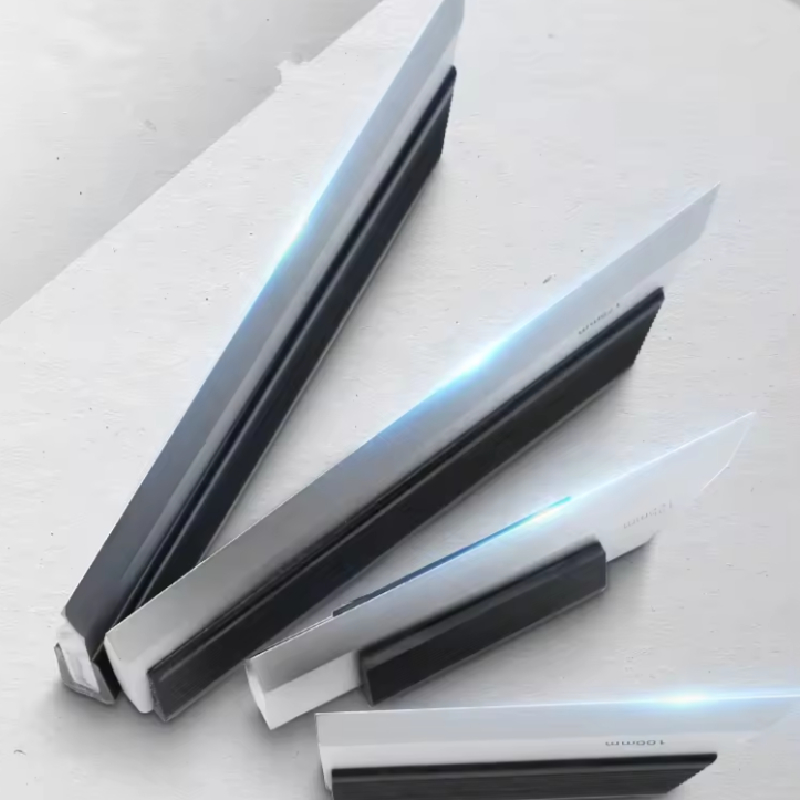
The Importance of Welding Inspection Rulers in Quality Control Welding is a critical process in vari
Versatile Ground Anchor Solutions for Securely Supporting Adjustable Structures and Outdoor Installa
Understanding Adjustable Post Ground Anchors A Comprehensive Guide In the field of construction and
Zinc Coated Half Saddle Pipe Clamp for Secure and Reliable Pipe Mounting Solutions
Understanding Zinc-Plated Half Saddle Pipe Clamps A Comprehensive Overview In various industrial and
 English